Last autumn I represented the Greens in Kirkkonummi’s budget negotiations as the chair of our council group. We secured a full-time climate coordinator instead of a half-time one. We raised the targets for walking and cycling. We restored association grants to the previous year’s level. We lost on school resources, and temporary school coaches were not made permanent. There were compromises, and some of them stung.
But we were at the table. And from there, we got what we got.
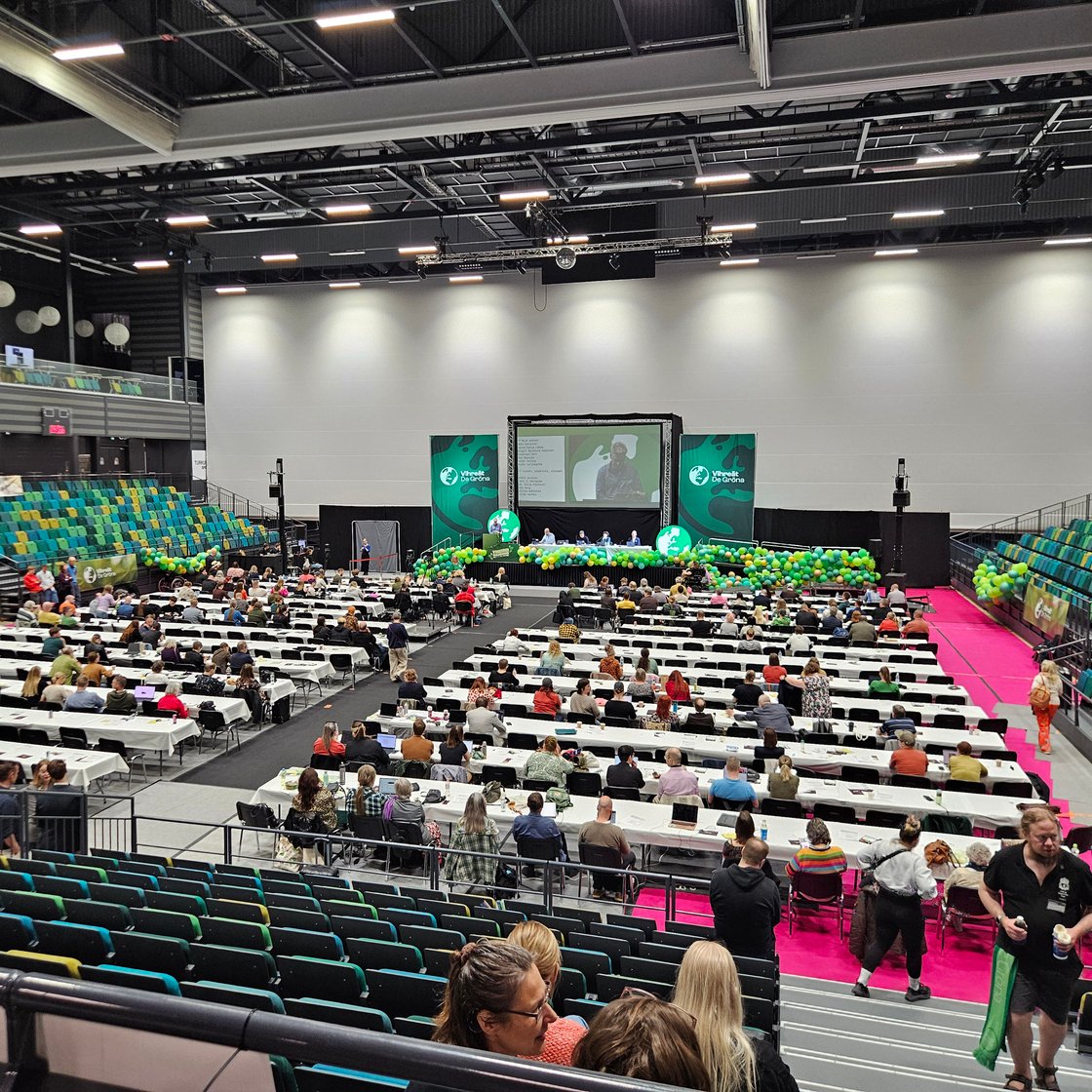
The Green Party congress is considering a motion from 45 members proposing that the Greens should withdraw from the parliamentary debt-brake agreement. The motion is the same choice, on a much larger scale: do we take part in shaping things, or not?
What is the debt-brake agreement?
The concern behind the motion is genuine and well-founded. This government term has shown how the burden of improving public finances falls on children, people with disabilities, and those with the lowest incomes. And the debt brake does nothing to prevent that kind of policy from continuing. At the same time, the belief that the debt brake will be implemented as written appears weak. As Fatim Diarra put it: “I do not believe there is a political basis for implementing cuts of that scale.”
It is worth looking carefully at what has actually been agreed. The parties committed to consolidating public finances by 8–11 billion euros in the next parliamentary term. The numbers are large. It is important to note, however, as Atte Harjanne reminds us, that the debt brake “is not a rigid requirement to cut, and it does not remove government authority and responsibility over economic policy.” Or as Saara Hyrkkö emphasised, “fiscal strengthening is not synonymous with cuts.” In other words, the scale is decided, but the method is not. Every future government decides how to move toward the target.
What happens if the Greens withdraw?
If the Greens leave the agreement, the scale of adjustment does not change — but the content changes, substantially. Or as party vice-chair Allu Pyhälammi put it: “When it became clear that the majority of other parties would join the debt brake regardless, our parliamentary group decided to enter the negotiations — and managed to secure several improvements.”
The debt brake does constrain future governments on the direction and scale of action. Parliamentary agreements are explicitly designed to create long-term commitment, as Oras Tynkkynen described. They are in practice the only mechanism for addressing problems that require commitment across election cycles. Turning around the trajectory of Finland’s public debt is such a problem. So is combating climate change. Solutions to both require commitment beyond individual governments, and parties that do not honour agreements find no one willing to negotiate with them.
When we are inside, we can advance green economic policy. That means using markets efficiently, pricing in externalities, and supporting those the market does not serve. This framework is built into the party’s programmes. According to the principles programme, taxes are levied according to ability to pay and harm caused. Externalities are priced so that markets function correctly.
What does green economic policy mean in practice?
Green economic policy is counter-cyclical. It addresses chronic deficits through structural reform and shifts taxation from work toward harm — without compromising the foundations of the welfare state.
I have written previously about how these principles play out at the municipal level too, when budget negotiations force choices about where limited resources go. The same logic applies at the national level: without a seat at the table, others make the choices.
Nevanperä summed it up on Threads pointedly:
Finland does not need a new party that sidesteps public finance questions. Debt and the welfare state must both be taken seriously. The current government cut only from the poorest, and made tax cuts that economists have criticised. That road has been travelled to its end. The Greens must be the alternative that has the courage to say everyone must contribute. Those with less have already done their share. The Greens must be the alternative whose policy is driven by economics, not interest groups or electoral arithmetic.
The Greens are Finland’s leading market-liberal party. And the debt brake is a question about the direction of Finnish economic policy in the next parliamentary term.
Do we want to influence it, or stand outside?
Read more about municipal budget trade-offs and more posts on economy and national politics.
Also published in: Verde, 15 May 2026.
Also published in: TalousVihreat blog, 21 May 2026.
Other posts
-
How does it feel to be in a party where you don't have to compromise on your values?
The vaihdavihreisiin.fi campaign invites liberals and social liberals to join the Finnish Greens — the party where you don't have to compromise on your values.
-
Greens – The True Defenders of the Market Economy
The market economy is the best known way to allocate resources. The Greens are its only true defender in Finland – real markets, not accountant economics.
-
I voted against Västra
I voted against Kirkkonummi joining the Västra cooperation. The council decided otherwise. My case: the money belongs in education, not a locked-in agreement.
-
AI changes what developers get paid for
AI does in two minutes what used to take a developer two weeks. The price of code is collapsing — but what will developers get paid for instead?