AI is changing everything — work, the economy, and how the state serves us. I write about how it lands on three things that have to keep working: the economy, learning, and freedom. Their synthesis is digital independence: a society that uses technology on its own terms.
What does it mean to live in the age of AI?
I have over a decade of hands-on experience building secure software and banking systems. From that background I write about why AI does not merely speed up work but forces us to rethink the whole social safety net, why digital independence is a precondition for a free society, and how to ensure that the benefits of technology reach everyone — not only a few.
Artificial intelligence
I work with AI tools professionally as a lead developer — and I have built my whole team's ways of working with them. I argue from hands-on experience, not theory. AI is the most significant productivity transformation of our time, and Finland must engage with it actively and critically.
AI amplifies both capability and bias. In public-sector applications — benefits decisions, permit processing, predictive policing — the stakes are too high to deploy systems without transparency and human oversight. I advocate for auditable algorithms in consequential decisions, open-source models where feasible, and mandatory human review for decisions that affect individual rights.
The more powerful AI becomes, the more important privacy protections are. AI systems are data-hungry; without strong data protection rules, they become surveillance infrastructure. The EU AI Act is a step in the right direction, but implementation must be substantive — not checkbox compliance.
-
AI helps secure municipal services, but it is not free
In Konnevesi, AI cut processing time for road grants from two months to days. Kirkkonummi is too small to act alone — but collaboration makes change possible.
-
AI changes what developers get paid for
AI does in two minutes what used to take a developer two weeks. The price of code is collapsing — but what will developers get paid for instead?
-
2026 is the year of AI
AI is changing society — but perhaps not as you imagine. The biggest changes will be in private life and in the everyday lives of children.


Economy
Finland’s economy needs to keep working through the AI transition. That means new companies, new jobs, and public services that actually use the technology rather than buy it as a black box. Without serious technology competence in parliament, decisions about AI procurement, data infrastructure, and labour policy are made by people who don’t know what they are buying.
I write about the economy through the lens of what I have done for over a decade: built software and software teams across different industries. AI changes the basis of work, competitiveness and public services. Finland can lead this shift, but only if public investment is targeted at domestic capability in a way that actually understands what is being done.
A working economy in the AI era is not a slogan. It is substance: skills that survive the transition, businesses that can build on Finnish and European infrastructure, and a state that procures technology on its own terms.
-
How does it feel to be in a party where you don't have to compromise on your values?
The vaihdavihreisiin.fi campaign invites liberals and social liberals to join the Finnish Greens — the party where you don't have to compromise on your values.
-
Greens – The True Defenders of the Market Economy
The market economy is the best known way to allocate resources. The Greens are its only true defender in Finland – real markets, not accountant economics.
-
Green economic policy requires a seat at the table
Leaving the debt-brake agreement does not change the scale of fiscal adjustment — it removes the Greens from shaping how the adjustment is done.


Learning
Finland's strength has always been its people and their skills. In the AI era, learning has to stay seamless — from early childhood education through working life — so that no one is left behind by a transition that is already underway. Without that, the productivity gains of AI accumulate to a small group while the rest watch their work change without the tools to keep up.
Education is not a cost item to be trimmed when the budget tightens. It is the central infrastructure of the whole post-AI economy. Cuts to teaching, to libraries, to vocational training and to adult learning are paid back tenfold when the labour market shifts faster than people can learn new things.
Seamless learning means the path stays open — between schools, between jobs, between life stages. AI makes that path vastly more important. The country that keeps the path open for everyone gets the full potential of its people. That is a stronger foundation than any other competitive advantage.
-
AI cannot do everything
AI has been presented as a solution for improving public services. It may have a role, but cannot replace people or clear strategic planning.
-
A cold harvest for Kirkkonummi — a weak budget
The government's mid-term session cut state subsidies and corporate tax. This significantly narrows the room for manoeuvre for local councils.
-
Education is the municipality's most important task
Education is the municipality's most important task. Investment in education pays off far into the future — there are no quick wins.
Freedom
Freedom in the AI era is not abstract. It is whether your data, your communications and your ordinary life remain yours when most of the infrastructure around them is owned by someone else. Privacy is the basic case — but the broader question is whether civil liberties survive technology that scales surveillance to everyone, almost for free.
I have spent my career building software in environments where the rules around data were taken seriously — banking, security, regulated systems. That experience makes one thing obvious: privacy and civil liberties don't protect themselves. They are protected by laws, by procurement choices, and by people in parliament who can read a technical proposal and tell whether it does what it claims.
Securing freedom in the AI era means being honest about the trade-offs. Mass surveillance, expanding the use of biometric identifiers, and chat scanning are not neutral tools waiting to be used wisely. They reshape the relationship between citizens and the state. The job of parliament is to set limits before the tools are built — not to debate them after the fact.
-
The flag is up. What does Kirkkonummi do next?
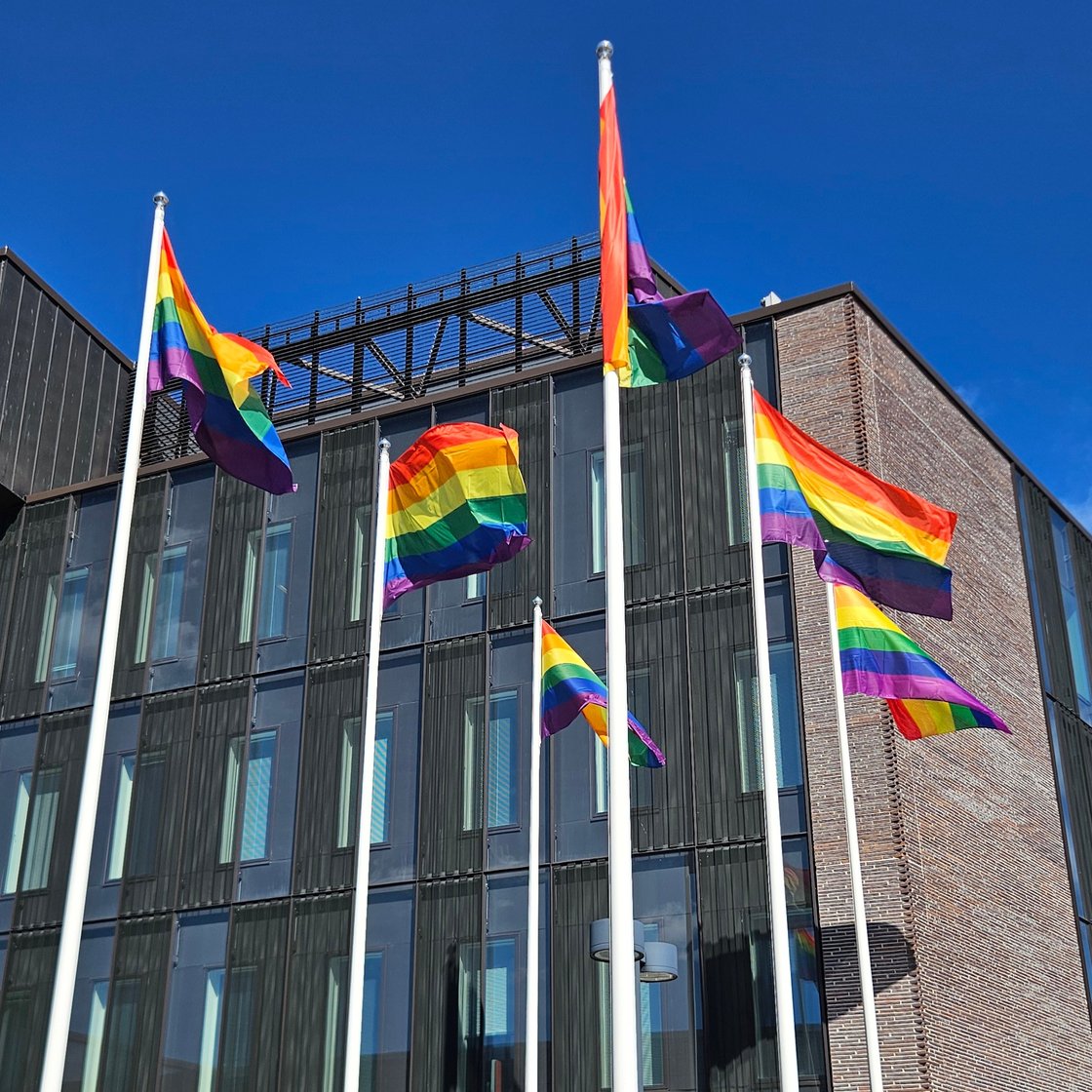
Kirkkonummi raised the Pride flag for the first time on 22 June 2026. The flag matters, but equality also demands concrete action in the autumn budget.
-
Lähteelä — a gem on Kirkkonummi coast
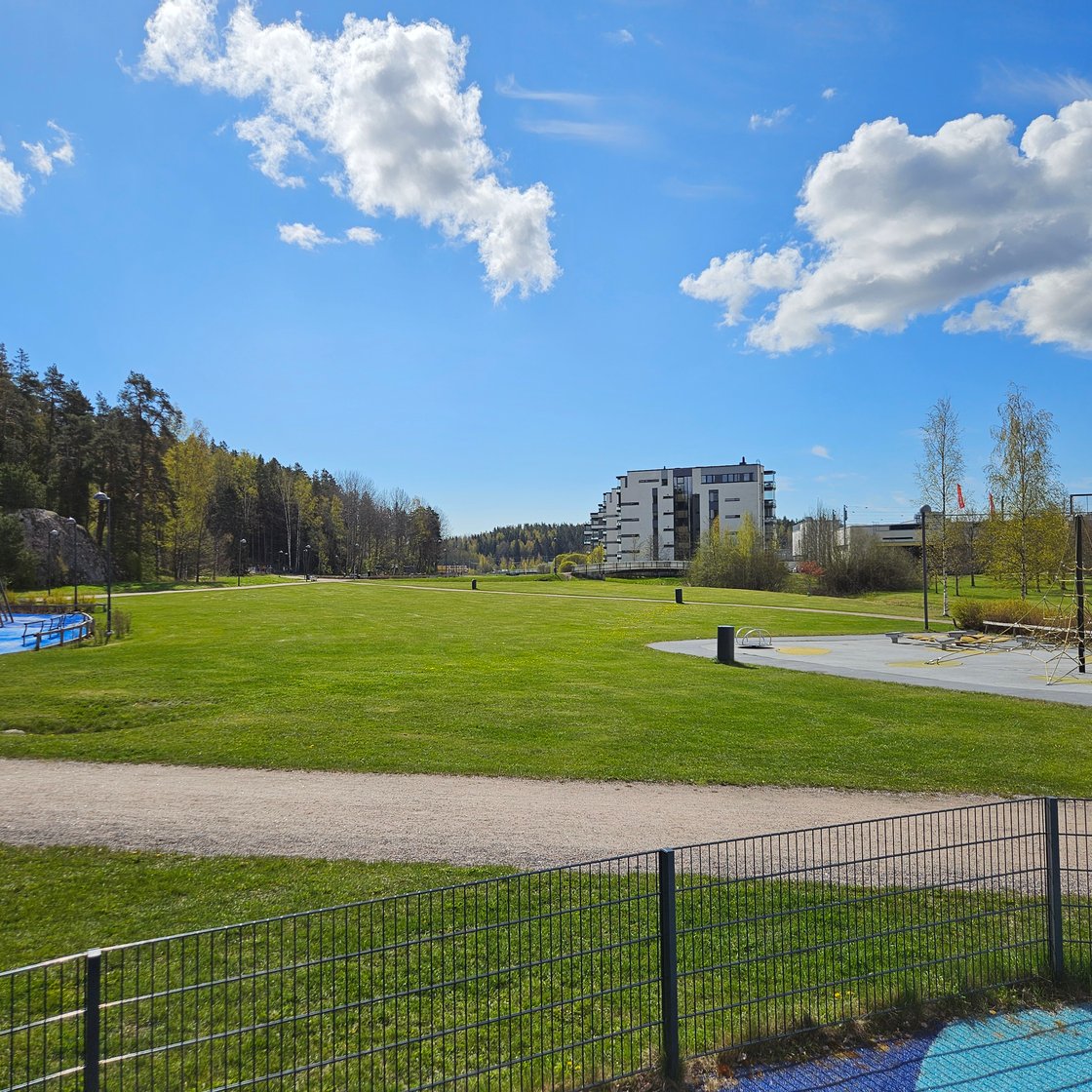
Kirkkonummi acquired Lähteelä, a coastal area. One of the few places on Kirkkonummi's coast accessible without a private boat — now permanently open to all.
-
Kirkkonummi tells everyone: you belong here
Bullying of rainbow youth is increasing. Kirkkonummi voted 30–14 for flag-flying — a small gesture with measurable effects on young people's wellbeing.
Digital independence
Finland and Europe must control their own digital infrastructure. I am the lead author of the digital independence citizens' initiative. With it, we demand that Finland reduce its dependency on a small number of foreign digital service providers.
Finnish public administration is heavily dependent on US hyperscalers — for example Amazon, Microsoft, and Google. The geopolitical risk of that dependency has grown substantially since 2022. Finnish and European alternatives exist: UpCloud is a concrete example of a high-performance domestic cloud provider that public sector organisations can choose today. I advocate for breaking up public IT procurement, preferring open source, and factoring in crisis resilience.
Digital independence is also about data portability and avoiding vendor lock-in. Public data generated with public money should be portable and stored in a way that foreign states cannot misuse it.
-
Council initiative: digital resilience
Kirkkonummi relies on digital systems for nearly all its operations. This initiative calls for mapping dependencies and switching to open file formats.
-
Digital independence is built one step at a time
Digital independence and resilience are built in every procurement decision. Helsinki chose Finnish UpCloud as the platform for its core public services system.
-
Digital independence is a necessity
Finland's digital services depend on US platforms. As the US becomes unreliable, digital sovereignty is no longer optional — it is a necessity.
Kirkkonummi
I am a Kirkkonummi municipal councillor. That means I have a say in the municipal budget, zoning, service contracts, and infrastructure — decisions that directly shape what it is like to live here. Most of those decisions are made without much public attention, and that is exactly when it matters who is in the room and what they understand.
The issues I push hardest on locally are the same ones I write about nationally: digital services that actually work for residents rather than just checking a procurement box, urban planning that builds on Kirkkonummi's geography instead of fighting it, and public transport that connects the municipality rather than leaving whole neighbourhoods car-dependent.
Kirkkonummi is a bilingual, coastal municipality growing fast at the edge of the Helsinki region. It has real assets — shoreline, nature, a mixed community — and real pressures: a revenue base that struggles to keep up with demand, and a rail corridor that matters enormously for how the whole region develops. Local politics here is not small politics.
-
I voted against Västra
I voted against Kirkkonummi joining the Västra cooperation. The council decided otherwise. My case: the money belongs in education, not a locked-in agreement.
-
The West Railway revealed problems in Kirkkonummi's governance
The West Railway decision revealed shortcomings in Kirkkonummi's strategic planning. The municipality risks bearing the costs without the benefits.
-
Lyyra opens new possibilities for Kirkkonummi's future
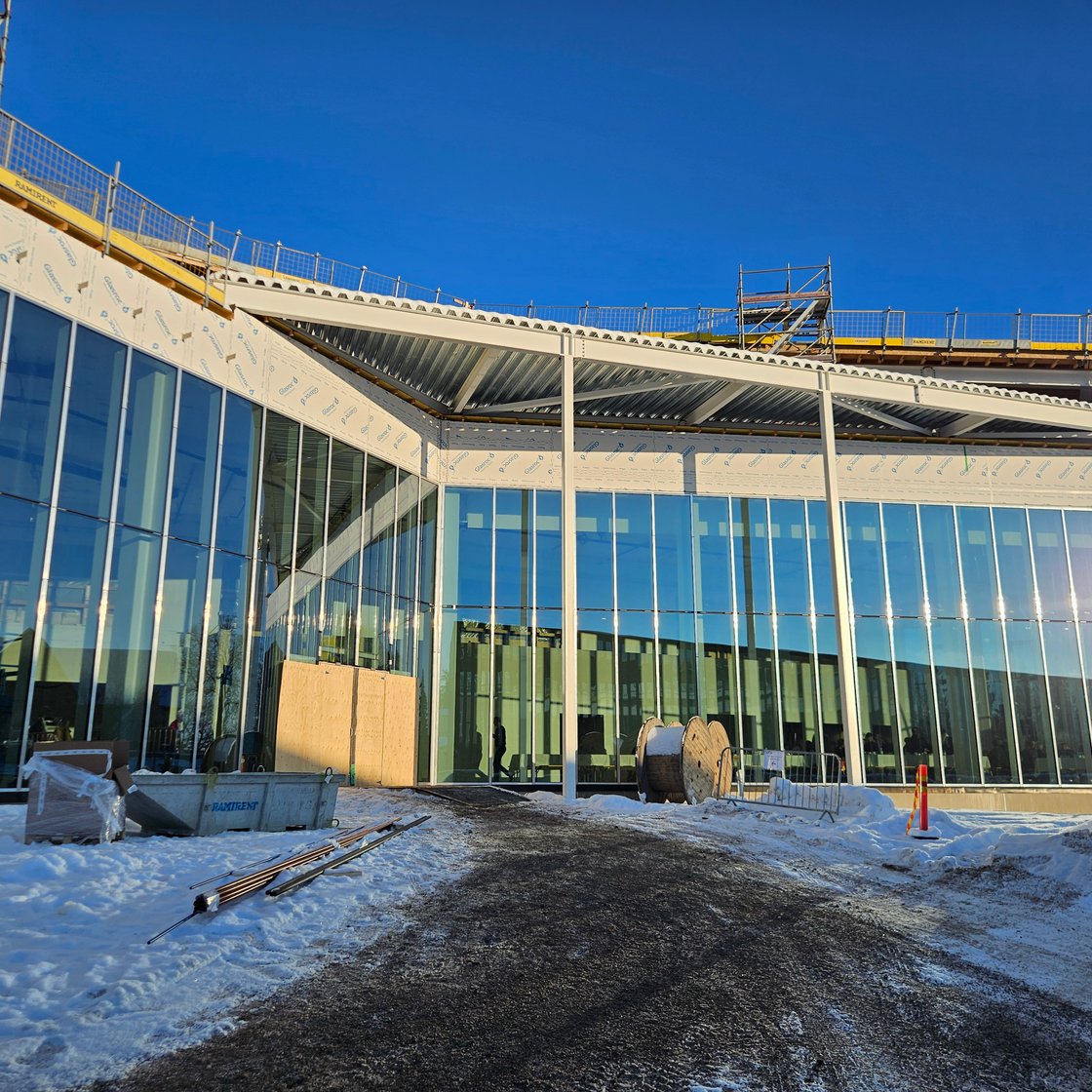
Kirkkonummi's renovation creates a culture cluster of Fyyri, Lyyra and Rovastinpuisto park. It sets conditions for growth for decades to come.