Freedom in the AI era is not abstract. It is whether your data, your communications and your ordinary life remain yours when most of the infrastructure around them is owned by someone else. Privacy is the basic case — but the broader question is whether civil liberties survive technology that scales surveillance to everyone, almost for free.
I have spent my career building software in environments where the rules around data were taken seriously — banking, security, regulated systems. That experience makes one thing obvious: privacy and civil liberties don't protect themselves. They are protected by laws, by procurement choices, and by people in parliament who can read a technical proposal and tell whether it does what it claims.
Securing freedom in the AI era means being honest about the trade-offs. Mass surveillance, expanding the use of biometric identifiers, and chat scanning are not neutral tools waiting to be used wisely. They reshape the relationship between citizens and the state. The job of parliament is to set limits before the tools are built — not to debate them after the fact.
-
The flag is up. What does Kirkkonummi do next?
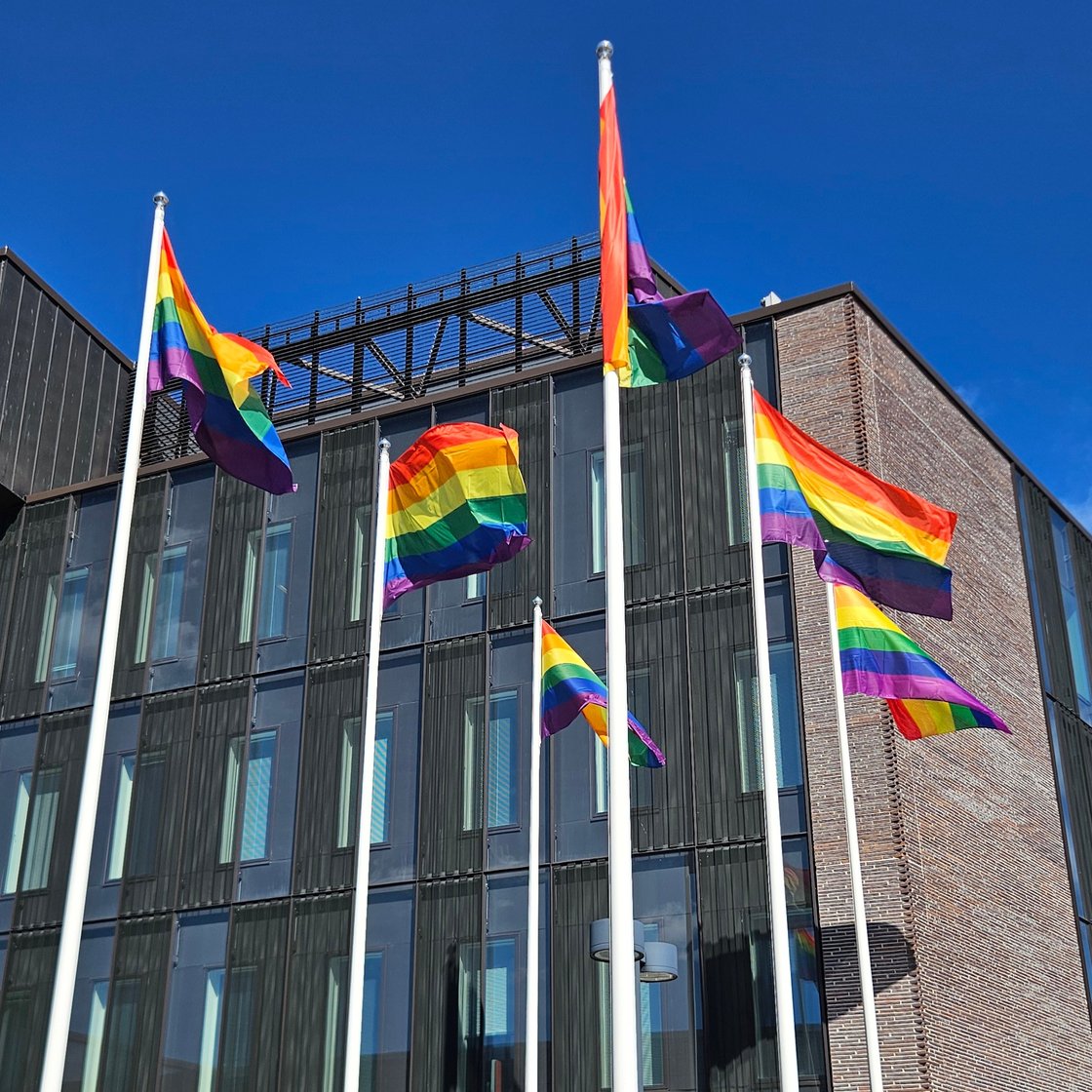
Kirkkonummi raised the Pride flag for the first time on 22 June 2026. The flag matters, but equality also demands concrete action in the autumn budget.
-
How does it feel to be in a party where you don't have to compromise on your values?
The vaihdavihreisiin.fi campaign invites liberals and social liberals to join the Finnish Greens — the party where you don't have to compromise on your values.
-
Lähteelä — a gem on Kirkkonummi coast
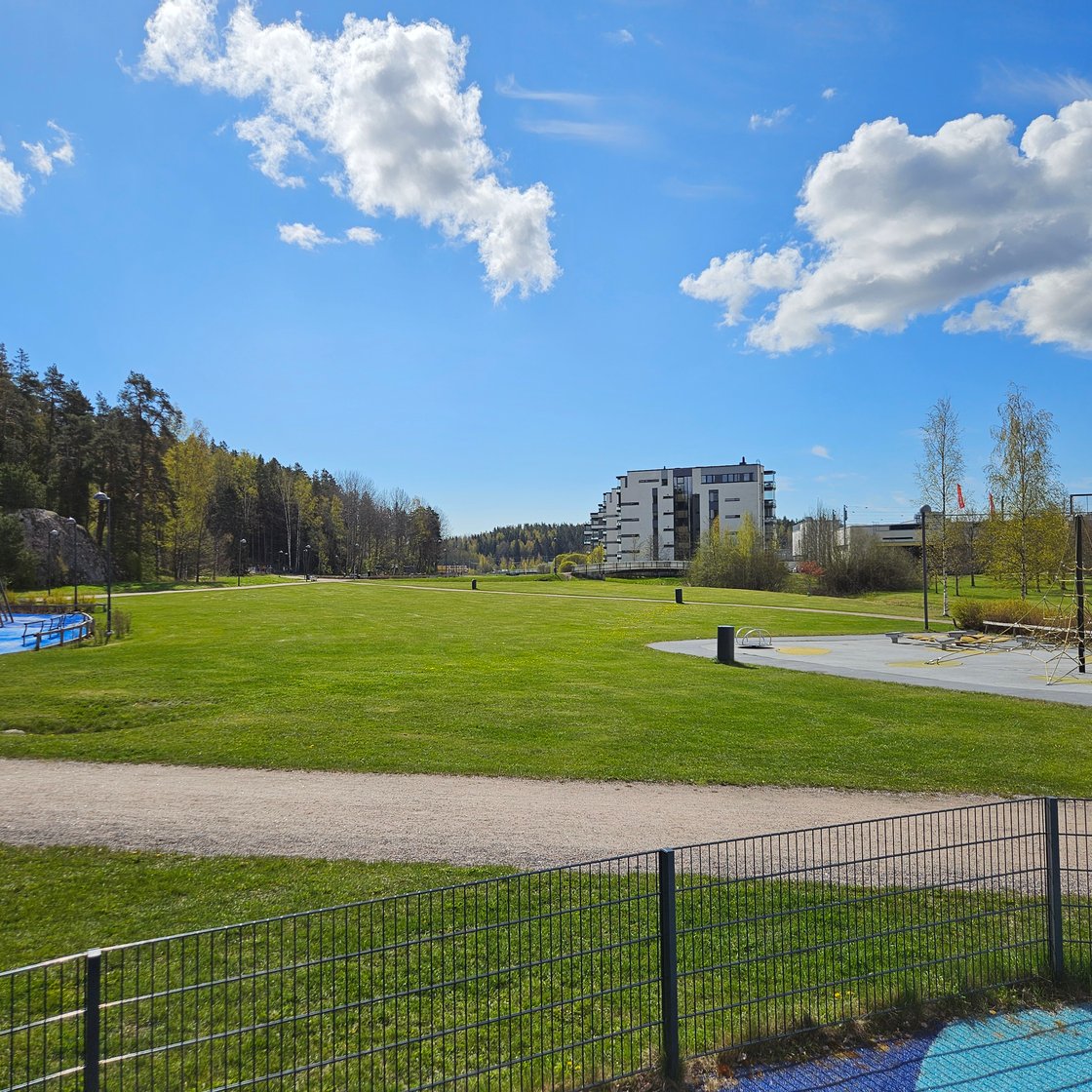
Kirkkonummi acquired Lähteelä, a coastal area. One of the few places on Kirkkonummi's coast accessible without a private boat — now permanently open to all.
-
Kirkkonummi tells everyone: you belong here
Bullying of rainbow youth is increasing. Kirkkonummi voted 30–14 for flag-flying — a small gesture with measurable effects on young people's wellbeing.
-
Chat control: parliament was right
The European Parliament rejected the extension of the chat control law. The police statistics are real, but parliament was still right — here is why.
-
Kirkkonummi is a more equal place today than yesterday
The municipal council of Kirkkonummi on 9.3. accepted my initiative for hoisting the Pride flag in Kirkkonummi, twice a year!
-
The use of biometric identifiers in passports must not be expanded
When fingerprints were added to passports, Finland created a national biometric register. Now the government wants to open it to police use.
-
Fundamental rights must not be dismantled without justification
The government plans to extend intelligence methods to fight crime without individual suspicion — a serious threat to fundamental rights.
-
Who decides what we talk about?
Are we prepared for our conversations to be steered by foreign large corporations? There are no guarantees that algorithms would not be used deliberately.