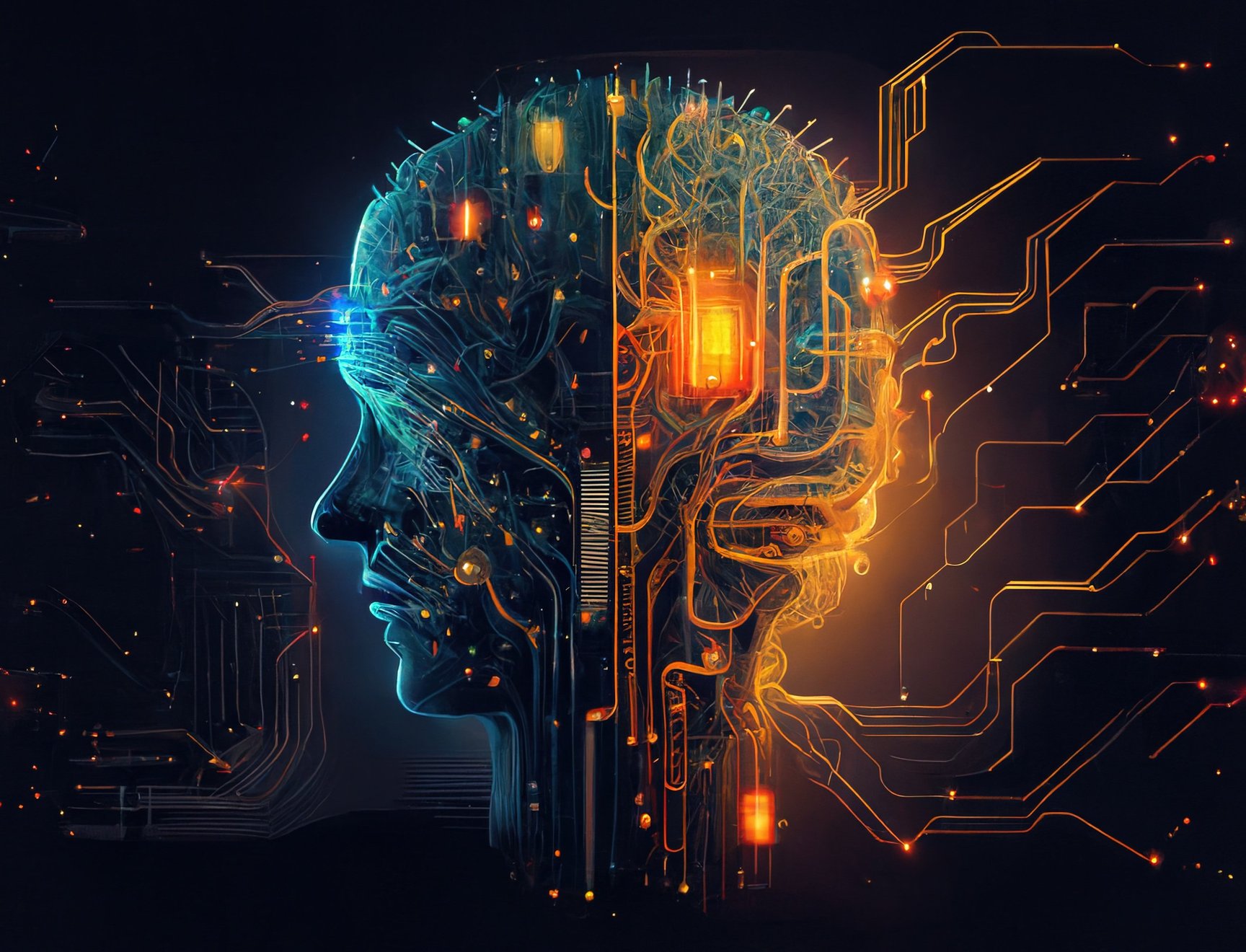
AI cannot replace people or clear strategic planning — even though its potential in public services is real. Juhani Mykkänen, one of the founders of Wolt, has highlighted the possibilities of AI as a tool for making Finland’s public services the best in the world. Others have had similar thoughts, looking at what kinds of companies have been founded to combine, for example, AI and healthcare.
What can AI do in public services?
AI is a tool that can be used to solve well-understood problems. The slowness of recording a doctor’s observations is a good example of such a problem. Although AI does offer solutions, it also brings challenges. Studies have shown that the use of AI can weaken doctors’ professional skills or worsen students’ learning.
AI has its own strengths and weaknesses, which must be recognised if one wishes to make use of it.
What can AI not replace?
Digitalisation and AI could be better utilised in public services than they are at present. The key, however, is clear goals: poorly defined processes or objectives lead only to bad outcomes faster with AI. AI also cannot be held officially accountable, and the human consequences of individual erroneous outputs can be enormous, so expert assessment is still needed. AI also cannot replace human interaction.
How should AI be deployed in public services?
The billion-euro investment in public administration development proposed by Mykkänen is necessary, provided it is directed at effective measures such as service reform, strategic planning and selecting the right tools. AI offers tremendous possibilities, but making use of it requires a clear plan, selecting the right tools, and above all a human-centred approach.
Updated 25 June 2026. My position has not changed.
For a broader picture of society’s digitalisation, see how algorithms steer our political discourse and what changes AI brings to private life in 2026. Public services’ digital dependencies are also tied to the question of digital independence. All my writing on this topic is in the AI category.
Also published in: Kirkkonummen Sanomat, 5 November 2025.
Also published in: Länsiväylä, 19 November 2025.
Other posts
-
AI helps secure municipal services, but it is not free
In Konnevesi, AI cut processing time for road grants from two months to days. Kirkkonummi is too small to act alone — but collaboration makes change possible.
-
AI changes what developers get paid for
AI does in two minutes what used to take a developer two weeks. The price of code is collapsing — but what will developers get paid for instead?
-
2026 is the year of AI
AI is changing society — but perhaps not as you imagine. The biggest changes will be in private life and in the everyday lives of children.
-
Chat control: parliament was right
The European Parliament rejected the extension of the chat control law. The police statistics are real, but parliament was still right — here is why.